To make an appointment or for travel-health advice, call 314-362-9098.
Fax: 314-362-9851
WashU Medicine infectious disease specialists manage complicated diseases with compassion and clinical expertise. The board-certified specialists have advanced education and training in internal medicine and infectious diseases.
Our infectious disease doctors are leaders in the research and treatment of HIV/AIDS, and are also known for expertise in fungal infections, bone and joint infections, osteomyelitis and a range of unusual and complicated infections.
Our infectious disease specialists treat patients with the following diseases and needs:
HIV/AIDS
WashU Medicine is home to one of the top HIV/AIDS programs in the country. Our patients have access to the latest technologic treatments by world-renowned experts in HIV/AIDS, and investigational therapies available at only a handful of centers in the nation. One of these programs is devoted to women and children with HIV/AIDS. Our infectious disease specialists provide special medical and gynecologic care and social support for mothers, and pediatric care for their children. This is the only such program in the region and one of few in the country dedicated to women with HIV/AIDS and their children.
Post COVID-19 Clinic
The Care and Recovery After COVID-19 (CARE) Clinic evaluates patients who have continued symptoms or complications after confirmed COVID-19 illness. A referral from your primary care provider is required.
International Travel Clinic
Our International Travel Clinic (ITC) is a unique service offered to individuals who travel abroad. The infectious disease specialists provide patients with immunizations and information about how to avoid infections.
Invasive Fungal Infections Clinic
WashU Medicine Invasive Fungal Infections Clinic provides expert care for people with invasive and complex fungal infections. These conditions can range from common to rare and may affect people with weakened immune systems — such as those undergoing cancer treatment, organ transplant recipients or patients receiving immunosuppressive medications — as well as otherwise healthy individuals.
Our clinic is led by infectious disease specialists with advanced expertise in mycology, the study and treatment of fungal infections. Patients benefit from a coordinated, team-based approach that may include pharmacists, surgeons and other specialists when needed. This collaboration supports accurate diagnosis and personalized treatment plans.
WashU Medicine is nationally and internationally recognized for leadership in fungal infection care, diagnostics and research. The Invasive Fungal Infections Clinic has earned a Diamond Excellence Center designation from the European Confederation of Medical Mycology — an honor awarded to only a small number of centers worldwide. This recognition reflects our strength in high-quality clinical care for patients with invasive fungal infections.
We treat a wide range of fungal infections, including those caused by Histoplasma, Candida, Aspergillus, Cryptococcus and other rare or difficult-to-treat fungi. When appropriate, patients may also have access to clinical trials for new antifungal therapies.
Learn more about the Invasive Fungal Infections Clinic, including conditions treated and how to schedule an appointment, visit the Invasive Fungal Infections Clinic.
- What is a invasive fungal infections clinic?
The invasive fungal infections clinic focuses on diagnosing and treating serious fungal infections. These infections can range from common to rare and may require specialized testing and treatment by infectious disease experts. - What types of fungal infections are treated?
The WashU Medicine Invasive Fungal Infections Clinic treats many types of fungal infections, including those caused by Histoplasma, Candida, Aspergillus, Cryptococcus and other complex fungi. - Who should seek care at the invasivefungal infections clinic?
Patients with invasive fungal infections particularly severe or hard-to-treat infections may benefit from care at a specialized clinic. This includes people with weakened immune systems as well as patients whose infections have not improved with standard treatment. - How are fungal infections diagnosed?
Diagnosis may involve laboratory testing, imaging studies and review by our infectious disease specialists with expertise in mycology. The collaborative and multidisciplinary approach help guide accurate diagnosis and treatment. - Do you see patients without immune system conditions?
Yes. While many patients have weakened immune systems, we also care for otherwise healthy individuals with fungal infections. - How can I schedule an appointment or learn more?
To learn more about the Invasive Fungal Infections Clinic, including conditions treated and how to schedule an appointment, visit Invasive Fungal Infections Clinic.
- Which patients should be referred to the Invasive Fungal Infections Clinic?
Patients with suspected or confirmed invasive fungal infections, recurrent fungal disease, diagnostic uncertainty or lack of response to standard antifungal therapy are appropriate for referral. This includes immunocompromised and immunocompetent patients. - What expertise does the clinic offer?
The clinic is staffed by infectious disease physicians with specialized expertise in medical mycology and access to advanced diagnostics, antifungal therapies, multidisciplinary collaboration and access to novel antifungals through clinical trials. - What diagnostic resources are available?
The clinic utilizes advanced laboratory testing, imaging and clinical evaluation to support accurate diagnosis and management of complex fungal infections. - Are clinical trials available for referred patients?
Yes. When appropriate, patients may be eligible for clinical trials evaluating new antifungal therapies or diagnostic approaches. - How should providers refer patients?
Referring providers can learn more about referral pathways and clinic access by calling 314-362-9098. In Epic, referring providers may place a referral to WashU Medicine Infectious Disease. Please fax records to 888-869-4437; Attention: Fungal / Mycology Clinic.
Research
Part of a long and successful research tradition, WashU Medicine Infectious Diseases secures a significant amount of National Institutes of Health funding each year. Basic science and clinical researchers within our division are heavily involved in research and clinical trials to increase the understanding of HIV/AIDS and other infectious diseases, and the efficacy of new therapies. The WashU Medicine AIDS Clinical Trials Unit (ACTU)—initiated in 1987 by the National Institute of Allergy and Infectious Diseases—is dedicated to conducting clinical research trials of potential treatments for HIV and its complications.
Sexual Wellness Program
The Sexual Wellness Program provides holistic, comprehensive, quality sexual health services and increased access to stigma-free, quality sexually transmitted infection (STI) care and comprehensive sexual health services for all people. We practice trauma-informed, culturally aware care that is sex-positive and emphasizes health goal setting and prevention. Our goal is to remove barriers to sexual wellness care, and we offer financial support for people without insurance. We provide care at our Village Square and Taylor Avenue Building Extension clinic locations.
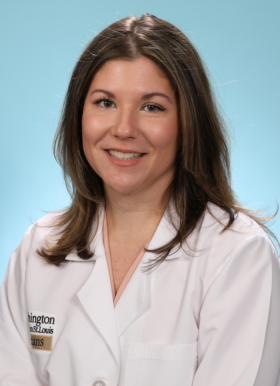
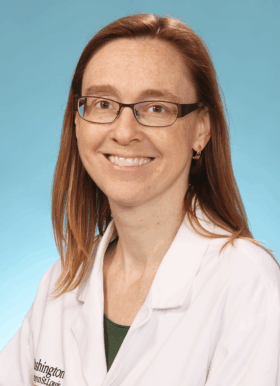
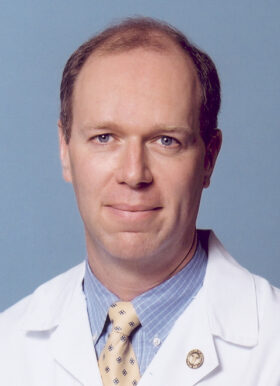
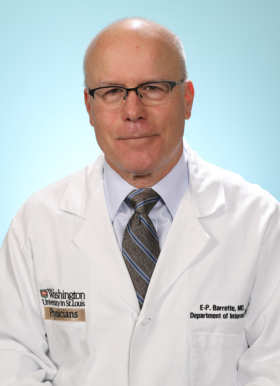
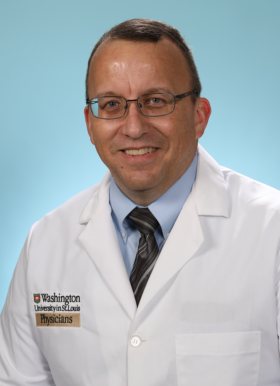
Ernie-Paul Barrette, MD
Infectious Diseases
Locations:
Taylor Avenue Building Extension
Village Square – North County
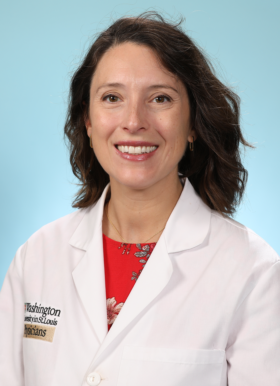
Elizabeth Daniels, MD
Infectious Diseases
Pediatric Infectious Diseases
Locations:
St. Louis Children’s Hospital
The SPOT

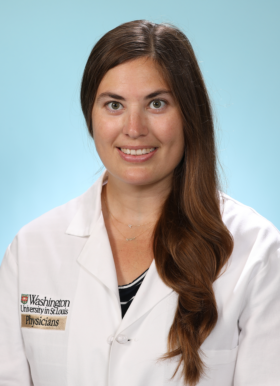
Erin Drinen, DNP, FNP-BC
Infectious Diseases
Locations:
Village Square – North County
Taylor Avenue Building Extension
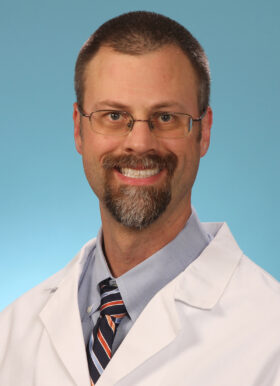
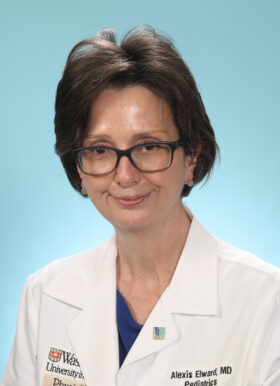
Alexis M. Elward, MD
Infectious Diseases
Pediatric Infectious Diseases
Locations:
St. Louis Children’s Hospital
St. Louis Children’s Specialty Care Center – West County