Anchal Sethi, MD
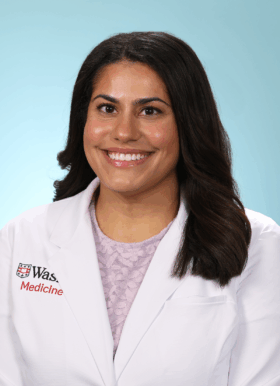
Anchal Sethi, MD is a WashU Medicine pediatrician at Brentwood Pediatrics.
Dr. Sethi sees patients at:
Center 40 Building
1600 South Brentwood Boulevard
Suite: 100
Brentwood, MO 63144
For appointments: 314-918-8827
What made you want to become a pediatrician?
I come from a family of physicians, and some of my earliest and fondest memories are of shadowing my aunt and uncle in their pediatric clinic. Watching them care for children with such compassion left a lasting impression on me. In medical school, I was drawn to both OB/GYN and pediatrics, but one moment during a C-section stands out vividly. As I assisted with the delivery and saw the baby take their first breath, I couldn’t help but focus on the newborn. I wanted to be the one to care for them, to make sure they were okay. In that instant, everything fell into place, and I knew that pediatrics was where my heart truly belonged.
Pediatricians are truly fortunate to build lasting relationships with children and their families, watching them grow and change over the years. I’m constantly inspired by how resilient, curious, and honest kids are. They have a way of bringing joy and laughter to even the most challenging days. It’s incredibly meaningful to play a part in guiding them toward healthy habits early in life, knowing that those small moments of care can shape their well-being from birth and beyond.
At what age does your office stop seeing patients?
At Brentwood Pediatrics, we care for patients from birth through age 22. We typically see our patients through their senior year of college to ensure they stay up to date on vaccinations and preventive care. During the school year, local college students are welcome to continue coming to us for acute visits. For those attending school out of state, most utilize their university health clinic for more urgent needs. We offer this extended care as a courtesy because we understand that transitioning from high school to college is a major life change, and we want to remain a steady source of support during that time. After graduation, our patients “graduate” from our practice and transition to an adult physician.
Which aspect of your practice is most interesting?
Before joining Brentwood Pediatrics, I worked as a hospitalist in the emergency department at St. Louis Children’s Hospital. My decision to transition from acute care to outpatient pediatrics was driven by a desire for continuity of care, a value that remains central to my practice today.
What keeps my work engaging is the variety each day brings. In one room, I may be meeting a newborn for the first time: in the next, celebrating a high school senior’s college decision. Sprinkled between those visits, especially during the fall and winter months, I see a range of sick visits from flu cases and ear infections to managing chronic conditions such as Attention Deficit Hyperactivity Disorder (ADHD), depression and anxiety.
I feel fortunate to be part of the Washington University Clinical Associates (WUCA) network, where I have access to nationally recognized specialists who provide invaluable support. Collaborating with them allows me to deliver the highest quality of care and to better guide families on what to expect when a subspecialist’s expertise is needed.
Do you have any tips for parents to help them protect the mental health of their child(ren)?
In my practice, I prioritize discussing mental health at every visit. The first step in supporting a child’s mental well-being is maintaining open communication. Encouraging children to express their feelings and having parents listen without judgment is essential. Check in regularly on how things are going at school, with friends and in daily life. Children learn by observing, so parents should demonstrate healthy ways to cope with feelings like stress and disappointment.
Maintaining structure and routines helps children feel safe and secure. Regular sleep, nutritious meals and consistent daily routines can improve mood and reduce anxiety. Sudden changes in behavior, withdrawal, or isolation may signal that a child is struggling to manage their emotions. If this occurs, parents can reach out, letting them know you are there to support them, giving them space to open up when they are ready.
Screen time and social media are other important topics. Setting healthy limits on screen use and modeling balanced behavior is key. Since social media often presents a highlight reel of others’ lives, we can help children interpret what they see and avoid unhealthy comparisons.
Incorporating movement, such as daily outdoor walks, can also boost mental health. Studies show that outdoor activity not only promotes physical health but enhances creativity, reduces stress, supports overall well-being and creates a safe space for children to share their feelings. Walking together is a simple way to bond with your child while adding movement to your day.
How do you help kids feel comfortable at their appointments?
One of my favorite parts of every visit is starting by asking children—right from an early age—if there’s anything they want to talk about or if something is bothering them. Their answers range from hilarious to genuinely insightful, and I’m always amazed by how clearly kids can express what brought them in. My goal is to help children become advocates for their own health from the very beginning. I see them as active members of the care team, and I involve them in medical decisions whenever appropriate. Pediatrics isn’t just adult medicine in miniature: It’s a partnership built around the unique needs and voices of children.
Are there any other new developments in pediatrics that you are excited about?
I truly believe vaccines are incredible. One of the most exciting recent developments, especially relevant this time of year, is the respiratory syncytial virus (RSV) vaccine. Before its introduction, many infants became critically ill from RSV, often requiring hospitalization. Now, both in-office and through published research, we’re seeing a significant decline in the severity of illness among this vulnerable population.
Where did you grow up?
I grew up in Columbia, Missouri, about two hours from St. Louis. I attended the six-year medical program at the University of Missouri–Kansas City and matched in St. Louis, where I completed my pediatric residency. After training, I joined St. Louis Children’s Hospital and worked as a hospitalist in the emergency department for two years. While I loved caring for children with a wide range of conditions, I found myself longing for the continuity of care that comes with outpatient pediatrics. In 2022, I joined Brentwood Pediatrics and have loved being part of this community ever since!
Have you received any awards or achievements that you’re especially proud of?
Graduating from medical school and earning my medical degree is one of my proudest accomplishments. From a young age, I admired my family members who practiced medicine in different specialties, and earning my medical degree felt both like a meaningful milestone and the realization of a dream I had long held. I feel truly privileged to care for children and their families, and I approach that responsibility with gratitude, humility, and a deep sense of purpose.
What is the best advice you’ve received?
The best advice I’ve ever received is something Peloton instructor Jess Sims often says during her workouts: “How you do anything is how you do everything.” That message really resonates with me. It’s a reminder that the care and effort we bring to even the smallest tasks reflect our overall approach to life. We’re all shaped by the small, daily decisions we make, and I believe that consistency in our actions is what ultimately defines our character—and even our careers.
If you weren’t a pediatrician, what job would you want to do?
I’ve always thought being a children’s book author would be wonderful. The bright stories, whimsical worlds, and playful illustrations seem filled with magic.