WashU Medicine specialists provide comprehensive care for adolescents and young adults with eating disorders. Our approach brings together expertise from adolescent medicine and child psychiatry to address both the physical and mental health effects of eating disorders.
Eating disorders can affect growth, nutrition, physical health, emotional well-being and everyday life. Early detection and treatment provide the best chances for full recovery.
Our specialists evaluate and treat eating disorders and disordered eating behaviors, including restrictive eating disorders. We also support patients with relative energy deficiency in sports (REDs). Care is individualized based on each patient’s medical, nutritional and mental health needs.
Adolescent medicine
WashU Medicine adolescent medicine specialists evaluate and diagnose eating disorders while monitoring the physical effects these conditions can have on a young person’s health. This may include assessing growth and nutrition, identifying medical complications and ruling out other potential causes of weight loss.
Adolescent medicine also helps coordinate treatment with other members of the care team, including mental health professionals, dietitians and case managers.
For adolescent medicine appointments: 314-454-2468
Learn more about adolescent medicine eating disorders care »
Child psychiatry
WashU Medicine child and adolescent psychiatry specialists address the mental and behavioral health aspects of eating disorders. Care may also include treatment for co-occurring mental health conditions and support for the thoughts and behaviors that can make eating disorder recovery difficult.
Adolescent medicine and child psychiatry work together to help ensure patients receive coordinated care for both their physical and mental health needs.
For psychiatry appointments: 314-286-1700
Family-based treatment for eating disorders
For children and adolescents with certain eating disorders, family-based treatment (FBT) is an evidence-based treatment that actively involves parents and caregivers in recovery.
Treatment initially empowers caregivers to take a more active role in supporting nutrition and eating. As recovery progresses, responsibility is gradually returned to the adolescent, with the ultimate goal of helping the young person and family move forward beyond the eating disorder.
WashU Medicine adolescent medicine and child psychiatry specialists are collaborating through a pilot program designed to strengthen family involvement and expand access to family-based treatment for adolescents ages 12 to 19.
When to seek help for an eating disorder
Eating habits naturally change during adolescence, but certain behaviors may warrant further evaluation. Warning signs can include weight loss or changes in expected growth, preoccupation with food or calories, eliminating entire food groups, increasingly restrictive eating, excessive exercise, eating in secret, purging behaviors or withdrawal from previously enjoyed activities. Physical symptoms such as dizziness, fainting, fatigue, hair loss or irregular menstrual periods may also occur.
If you are concerned about an adolescent’s eating habits, weight, exercise patterns or relationship with food, speak with a medical provider. Eating disorders may become medically serious and early treatment is important.
Eating disorder care at WashU Medicine
Eating disorder treatment may involve medical monitoring, mental health care, nutritional support, family-based treatment and other services depending on the patient’s individual needs. Patients who are medically unstable may require hospitalization before transitioning to outpatient or another appropriate level of care.
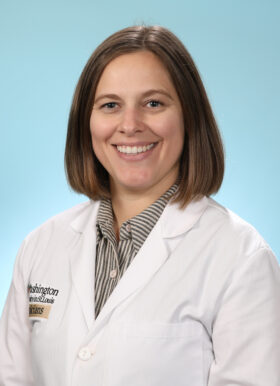
Callie Bishop, MD
Pediatric Psychiatry
Psychiatry
Locations:
4444 Forest Park Avenue Building
Taylor Avenue Building
Missouri Baptist Medical Center – Building A
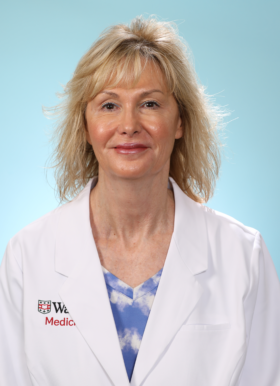
Tammy Cook, MS, RD, LD, CEDS
Adolescent Medicine
Locations:
St. Louis Children’s Specialty Care Center – West County
St. Louis Children’s Specialty Care Center – South County
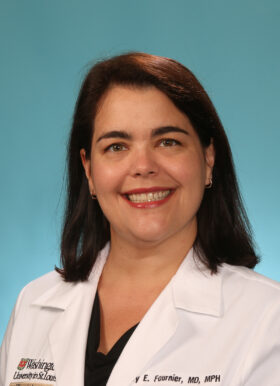
Mary E. Fournier, MD, MPH
Adolescent Medicine
Locations:
St. Louis Children’s Hospital
Memorial Hospital in Shiloh – Medical Office Building 1
The SPOT
St. Louis Children’s Specialty Care Center – South County
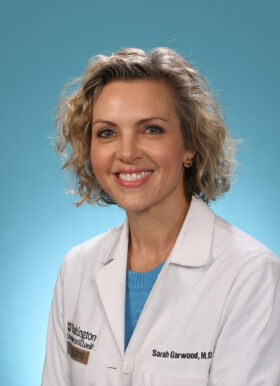
Sarah Garwood, MD
Adolescent Medicine
Locations:
St. Louis Children’s Specialty Care Center – West County
The SPOT at Jennings High School
The SPOT
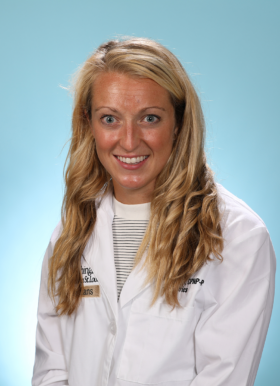
Margaret Ott, CPNP-PC
Adolescent Medicine
Pediatrics
Locations:
St. Louis Children’s Hospital
St. Louis Children’s Specialty Care Center – West County
St. Louis Children’s Specialty Care Center – South County
The SPOT

Rachel Parks, MS, RD, CSSD, LD
Adolescent Medicine
Pediatrics
Locations:
St. Louis Children’s Hospital
St. Louis Children’s Specialty Care Center – South County
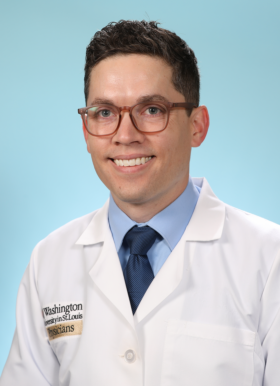
Aaron M. Schuh, MD, MPH
Adolescent Medicine
Pediatrics
Locations:
St. Louis Children’s Specialty Care Center – South County
WashU Medicine Specialty Care – North County
The SPOT
The SPOT at Jennings High School
St. Louis Children’s Hospital