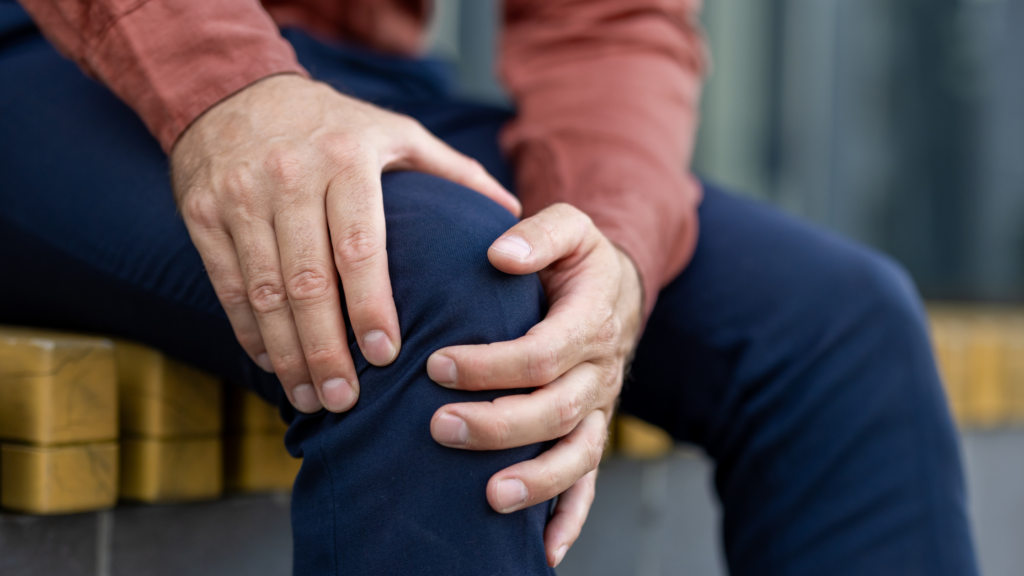
For patients living with joint pain, tendon injuries or chronic muscular conditions, treatment options can feel limited. Patients with these struggles may benefit from a regenerative treatment designed to support the body’s own healing process: Platelet-rich plasma, often called PRP.
Jeremy Hartman, MD, a WashU Medicine orthopedic specialist, offers PRP therapy as part of a personalized approach to non-surgical care.
What is PRP?
Platelet-rich plasma therapy uses a patient’s own blood to help the body heal. A small blood sample is taken and placed in a machine called a centrifuge, which separates and concentrates platelets and growth factors. That platelet-rich plasma is then injected into the area being treated, often using ultrasound guidance for precision. The goal is to support tissue repair, reduce inflammation and improve healing.
How is PRP different from other injections?
Unlike steroid injections, which may provide short-term pain relief, PRP is intended to support healing at the source of the problem. Compared with other injections, which can help lubricate joints, PRP focuses more on tissue repair and reduces inflammation. For some patients, that may lead to longer-lasting improvement in pain and function.
What does PRP help with?
PRP is used in a range of orthopedic and sports medicine conditions, including:
- Tendon injuries such as tennis elbow, golfer’s elbow, rotator cuff injuries and Achilles tendonitis
- Osteoarthritis, particularly in the knees, hips and shoulders
- Ligament injuries such as sprains or certain tears
- Muscle strains and soft tissue injuries
Would I benefit from PRP?
PRP may be considered for patients who:
- Have a musculoskeletal pain or injury
- Have not improved with other treatments
- Are looking to explore non-surgical options
- Are able to participate in rehabilitation after treatment
What is recovery like with PRP?
Recovery after PRP happens in phases. Some soreness or swelling at the injection site can be normal during the first day or two. Many patients then move through a healing process over several weeks as tissue repair progresses.
Patients may begin light activity or physical therapy based on their doctor’s guidance, with many noticing meaningful improvement between six and 12 weeks, though timelines can vary.
WashU Medicine PRP therapy in St. Louis
PRP is not a one-size-fits-all solution. For some patients, it may be part of a broader treatment strategy that includes rehabilitation, activity modification or other therapies before considering surgery. The best outcomes often come when treatment is matched thoughtfully to the patient’s diagnosis and goals.
If you are exploring treatment options for joint pain, tendon injury or musculoskeletal conditions, talking with a WashU Medicine orthopedic specialist can help you understand whether PRP may be appropriate for you. Whether you’re staying active or managing chronic pain, our physicians carefully evaluate each patient to determine if PRP is the right option, ensuring a personalized, evidence-based approach to care.
To make an appointment with Jeremy Hartman, MD, call 314-514-3500 or visit our website.
Insurance coverage for PRP can vary. Please ask your insurance provider for more information. The team can review cost details and answer questions during your consultation.